The 2025 Lafia Stakeholder Dialogue stands as a pivotal localized intervention for the Support Don't Punish Campaign commemorate on the Global Day of Action (June 26 annually). With gratitude from the mobilizing support from the International Drug Policy Consortium (IDPC)). This report mandates a strategic shift in Nasarawa State’s drug policy, moving from the failed paradigms of punitive prohibition toward a health-centered, human rights-aligned harm reduction framework.
Nasarawa State is one of the states in the north-central zone of Nigeria where it shares boundary with foremost territories like the Federal Capital Territory where the Abuja (Nigeria’s capital) is hosted. The state is particularly pertinent given the high prevalence of drug abuse in Lafia (the capital city). Between July 2023 and June 2024, the National Drug Law Enforcement Agency (NDLEA) seized over 7,149 kilograms of illicit substances in Nasarawa State, with a significant portion of these activities concentrated in Lafia (See: https://punchng.com/ndlea-seizes-7149-kg-of-drugs-in-nasarawa/). This alarming trend is believed to contribute to increased crime rates, including theft, assault, and drug trafficking, as evidenced by studies in neighbouring regions. Yet, harm reduction and decriminalizing have barely found a root in the conversations. Addressing the low awareness among stakeholders about health, human rights, and harm reduction approaches, hosting the campaign in Lafia aimed to foster a shift from punitive measures to more effective, evidence-based strategies in combating drug abuse.
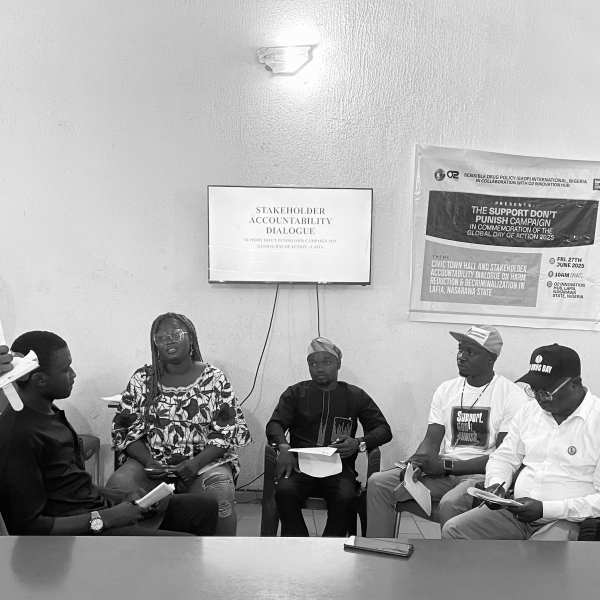
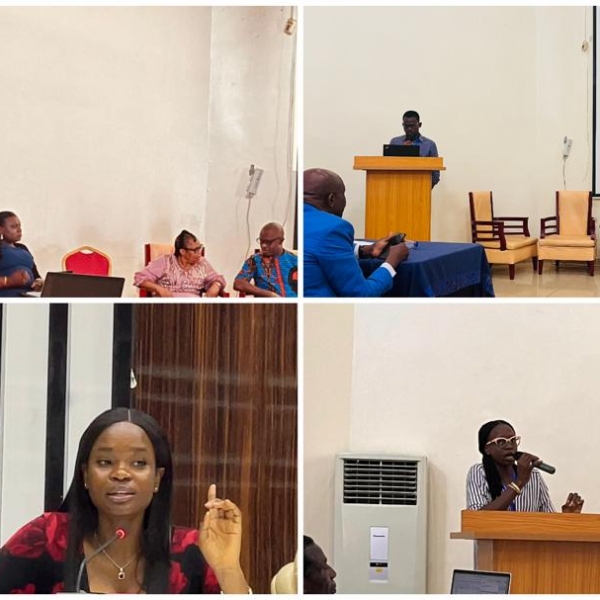
To respond to this, a one-day civic town hall comprising of 50 participants—law enforcement officers, civil society organizations, community groups, and media, raised awareness on decriminalization and harm reduction was held on Friday, June 27, 2025 at O2 Innovation Hub (supporting partner), Lafia, Nasarawa State with the theme: Civic Town Hall and Stakeholder Accountability Dialogue on Harm Reduction and Decriminalization. This was followed by a multi-stakeholder roundtable with drug law enforcement and public institutions to foster dialogue and elicit commitment to more decriminalization, health-centered approaches. The expected outcome leaned towards facilitating an increased understanding among stakeholders and formal expressions of interest in policy reform from at least 10 institutions at the end of the activity.
As a member of the Board of Directors at SSDP International, I reflect on this dialogue not merely as a meeting, but as a critical oversight mechanism to ensure that the drug war mentality—which has historically marginalized the vulnerable in Nasarawa communities and beyond, is replaced with evidence-based, community-led interventions.
This dialogue served as a necessary accountability bridge, translating high-level global policy into measurable local implementation. It created a formal record of commitment, ensuring that international human rights standards are not lost in regional bureaucratic inertia. I will be analysing the report of the engagement in a thematic manner based on how the conversations was navigated.
Stakeholder Landscape and Institutional Roles
The findings of this dialogue mandate a multi-sectoral shift; the complexities of substance use in Lafia cannot be addressed through the lens of law enforcement alone. To protect human rights, we hold the following institutions accountable for their evolving roles:
- NDLEA (Nasarawa Command): While the Command remains the primary enforcement body, we demand a continued pivot toward their Counseling and Rehabilitation mandate. The agency currently operates a specialized facility, though its current capacity is woefully inadequate for the regional need. We specifically acknowledge their Alternative Development Unit, which addresses the root economic causes of the drug trade by providing farmers with livelihoods in sustainable cash crops, such as coffee, to replace illicit cultivation (See here: https://businesstodayng.com/ndlea-launches-alternative-development-pilot-project-to-tackle-illicit-drug-cultivation/). Furthermore, while the NDLEA plan on introducing Drug Integrity Tests for entry level tertiary students in Nigeria, mirroring recent trends of drug screening with recruitment process of a foremost oil company in Nigeria, this report emphasizes the NDLEA’s explicit commitment that these tests are for early identification and counseling, not denial of admission or punitive expulsion.
- Healthcare Professionals (Pharmacists): These actors are the front line of harm reduction. However, they currently operate within a formal legal vacuum regarding certain medications required for rehabilitation and proper pain management. We hold the health sector accountable for bridging the gap between clinical need and the economic status of patients who are often priced out of life-saving care.
- Civic & Student Actors (SSDP/NYSC): These groups are responsible for the mindset and behavioural change essential for reform. Their focus on peer education and digital advocacy is a critical safeguard against the further criminalization of youth.
But then what? While the overlap of these roles suggests a safety net in these communities, the dialogue revealed a systemic failure in specialized care infrastructure. The limited capacity of the NDLEA unit vs. the hundreds in need demonstrates a vast accountability gap that requires immediate funding and state-level intervention.
Contextual Analysis: The Lafia Landscape
Lafia presents a demographic and geographic profile that makes the Support. Don't Punish. mission uniquely urgent. A standard national approach is insufficient given the following local pressures:
- Educational Density and Arrest Statistics: Lafia’s high concentration of tertiary institutions has created a crisis point. Stakeholder data reveals a staggering reality: 3 to 4 out of every 5 arrests for drug-related offenses in the region involve students
- The Off-Campus Housing Gap: A critical So What? factor in Lafia is the lack of on-campus housing. This forces a majority of the estimated 20,000 student population into off-campus arrangements, placing them outside the reach of university support systems and under the oversight of indifferent landlords who often ignore the health crises of their tenants until law enforcement is involved.
- Geographic and Security Pressures: Proximity to the Federal Capital Territory (FCT) and the specific security/law enforcement pressures at FCT travel ports drive drug traffic into neighboring Nasarawa. Lafia essentially becomes a transit and consumption hub for substances pushed out of the capital.
- Socio-Religious Dynamics: Local awareness is complicated by religious interpretations. Stakeholders noted that while Quranic teachings against alcohol are widely respected, a lack of similar clarity regarding synthetic substances leads to gaps in awareness that must be bridged through culturally sensitive advocacy.
These nuances must inform the accountability roadmap; without addressing the landlord-student dynamic and the FCT-transit pressure, harm reduction will remain a theoretical goal rather than a localized reality.
Navigating the Punitive Policy Paradox
The 2025 Agenda faces a severe headwind: the May 9, 2024, Senate amendment reinstating the death penalty for drug offenses (Read here: https://www.premiumtimesng.com/news/top-news/692730-senate-passes-bill-prescribing-death-sentence-for-drug-traffickers.html?tztc=1). We characterize this legislative trend as a regressive human rights violation and a strategic threat to public health. The risk of judicial error, false accusations, and the failure to properly trash out evidence in a strained legal system creates a landscape where the state may execute the very individuals it should be supporting.
To counter this punitive trend, we hold stakeholders to the following Protective Mechanisms:
Legislative Resistance: Engaging members of the State House of Assembly to influence local law-making that prioritizes health over state-sanctioned killing.
Grassroots Advocacy: Utilizing traditional and religious leaders, who hold the community's trust, as voices of life and rehabilitation to counter the death penalty narrative.
Mass Awareness: Leveraging social media to build public opposition to the death penalty, ensuring that the human rights of people who use drugs are defended in the court of public opinion.
Analysis of Collaboration Barriers
True harm reduction is currently hindered by deep-seated institutional friction in Nigeria. We identify three primary barriers that must be dismantled:
- Policy Advocacy Cost: A significant and often overlooked barrier is that policy advocacy is expensive. Stakeholders noted that the need to knock on doors and raise funds often stalls progress. Without dedicated funding for civic actors like SSDP, the transition from dialogue to policy is impossible.
- Mistrust and the Fear of Arrest: The primary barrier to medical help is the punitive shadow. Users are terrified that seeking help at a health facility will lead to arrest. We continuously demand the creation of safe spaces within community pharmacies where users can access counseling and meds without the fear of legal reporting.
- Communication and Behavior Change Gaps: Current enforcement fails to address the behavior change problem, focusing on the substance rather than the person. The effective utilization beyond establishment of the NDLEA Call Center/Helpline is non-negotiable as a feedback loop for accountability and a safe medical intervention point.
The Accountability Roadmap in 2025 SDP Campaign in Lafia: Formal Commitments
The following table constitutes the formal pledges made by stakeholders in the Civic Town Hall. We will measure all future institutional progress against these specific benchmarks co-developed by the stakeholders in the dialogue.
Institutional Commitments at the 2025 Lafia SDP Campaign
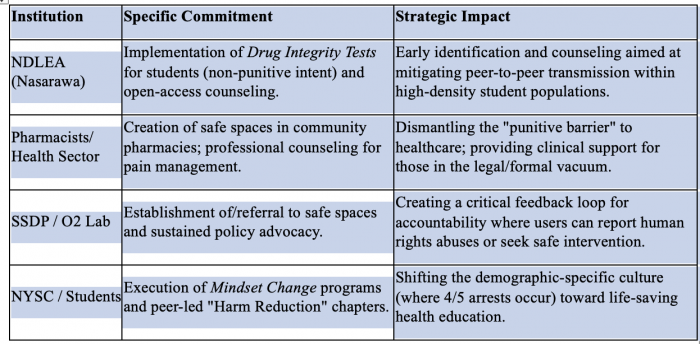
The shared accountability roadmap represents a definitive transition from dialogue to action. Transformation of the Lafia drug policy landscape is no longer optional; it is a human rights mandate. We will continue to provide oversight to ensure that the principles of harm reduction and decimalization gain grounds overtime in the landscape and becomes the operational standard for Nasarawa State in the future.
I believe most cities and communities in Nigeria share similar peculiarities in the drug policy landscape as Lafia. There is work to do. There are cities yet to hear or embrace the HR/Decrim messaging. One step at a time – the progress in the advocacy effort will not stop.
Acknowledgements
To the team that made the execution of the Campaign possible – Odey Mark Odey (SSDPer), Amoikwen Caesar, Stephen Darlignton, Abraham Agabi and Tasiu Kwaplong.